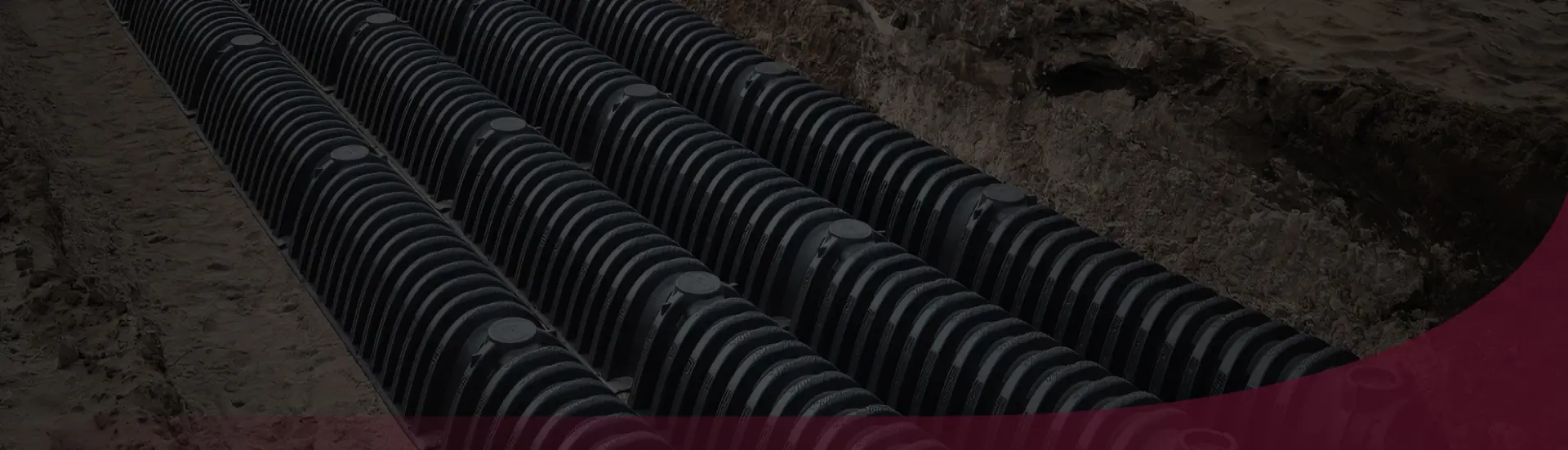
An aerobic treatment unit (ATU) requires active upkeep for the life of the system. In Florida, those continuing obligations include a current service contract, scheduled visits, and a renewable operating permit.
Homeowners in Sanford and throughout Seminole County should track each requirement separately. An installation contract or annual inspection doesn’t cover every obligation.
Florida Requires a Current ATU Service Agreement
Florida law requires an ATU owner to keep a current maintenance service agreement with an entity permitted by the state. This is an ongoing responsibility, not an optional add-on after installation.
The initial signed agreement must cover at least two years. Each renewal must then run for at least one year, continuing for the life of the unit. The approved maintenance entity sends the executed contract to the county health department.
The contract identifies who’s responsible for maintaining the unit, but it’s separate from the inspections performed under it. Check the start and end dates, the entity’s approval status, and whether the contract remains active.
Service Visits, Reports & Permits Have Separate Schedules
A valid contract doesn’t satisfy every ATU requirement. An approved maintenance entity must inspect residential units at least twice each year. Units serving commercial establishments require four inspections per year.
The maintenance entity reports quarterly to the department on the systems it inspected and serviced. Each report names the owner or lessee and the property address. It also records the inspection date and the maintenance or service completed. Keep your own records so you can confirm that each visit occurred on schedule.
The operating permit follows another timeline. Under Florida law, it’s valid for two years and must be renewed every two years. Owners must also allow the department to inspect the system at least annually, which may include effluent sampling.
In Seminole County, ATU permits are issued and managed by the Florida Department of Health in Seminole County. The county renewal schedule is separate from your service contract’s expiration date, so put both dates on your calendar.
Verify That Your ATU Provider Is Authorized
A company must hold an annual written permit from the county health department before servicing or repairing an ATU under a maintenance arrangement.
The permitted entity must employ a licensed plumbing contractor, registered septic tank contractor, or state-licensed wastewater treatment plant operator responsible for maintaining and repairing contracted systems. State requirements also address training, access to manufacturer manuals and approved parts, and service response capability.
Before signing or renewing a service agreement, ask the provider to confirm that its county permit is current and that it’s authorized to maintain your unit’s make and model. This step is particularly important when a property changes hands or a provider stops offering service.
Buying a Home or Losing a Provider Requires Prompt Action
When you buy a home with an ATU, you must establish a maintenance contract to keep the system compliant. Request the current operating permit and service contract with the property records. Also collect recent service reports and renewal dates.
If a private maintenance entity closes or discontinues service, you have 30 days from service termination to contract with another approved provider and submit the new signed contract to the county health department. Waiting until the next inspection risks an avoidable coverage gap.
A current, unexpired contract can also matter during an occupancy change when local building rules require county health department approval of the disposal method. Treat a provider change as a time-sensitive paperwork task, not just a future service decision.
Self-Maintenance Requires State Approval
Florida allows a narrow self-maintenance option, but declining to renew a provider contract isn’t enough. The owner of an owner-occupied single-family residence must first be approved and permitted by the department as the maintenance entity for that system.
To qualify, the homeowner needs written certification from the manufacturer’s representative confirming completion of proper installation and service training. This option applies only to an owner-occupied single-family residence and doesn’t remove operating-permit obligations.
The service contract must disclose the right to pursue self-maintenance and the related exemption from contractor registration requirements for work on the system. Before allowing an existing contract to lapse, discuss the approval process with the applicable county health department.
Plan for Compliance During ATU Installation
For new construction and replacement projects in Sanford, permitting begins before installation work starts. We’re certified to offer ATU installation in Eastern and Central Florida and handle the Florida Department of Health permitting step for Seminole County projects before installation begins.
Sanford-area properties in designated Basin Management Action Plan zones may need nitrogen-reducing systems. Depending on the property and project, new construction or replacement of a failing system may require a nitrogen-reducing system, such as an NSF/ANSI 245-certified ATU.
Use this checklist after an installation, purchase, or provider change:
- Keep a current contract with an approved ATU maintenance entity.
- Confirm that residential service visits are scheduled at least twice yearly.
- Track the two-year operating-permit renewal separately from the contract renewal.
- Save inspection and maintenance records with the permit paperwork.
- Replace a discontinued provider within 30 days and submit the new contract as required.
For property-specific permit or maintenance questions, the Florida Department of Health in Seminole County or an approved maintenance entity can confirm what applies to your system. To discuss an ATU installation, call Acme Environmental at (321) 468-9769.