.1).png.2608271621580.webp)
The most expensive part of your septic system usually is not the tank, it is the drain field that quietly handles every shower, flush, and sinkful of water your family uses. Holiday cooking can stress that system harder in a few days than a normal month does, especially here in Central Florida where sandy soil moves wastewater quickly. The twist many homeowners don’t expect: it is often the kitchen sink, not the extra bathroom visits, that does the real damage.
At Scorpion Legacy, we spend a lot of post-holiday calls in Sanford and across Central Florida dealing with preventable septic problems that started with “just rinse it down” in a busy kitchen. When you understand how certain holiday cooking habits affect your tank and drain field, it is much easier to change them and avoid a mid-season backup.
Why the Kitchen Is the Biggest Septic Risk During the Holidays
A septic tank is sized for your household’s normal daily wastewater load, not for three days of marathon cooking, dishwashing, and cleanup on top of normal use. During the holidays, the volume of water and the concentration of fats, oils, grease, and food waste all spike in a short window. That combination gives your system less time to separate solids, floaters, and clear water before everything moves out to the drain field.
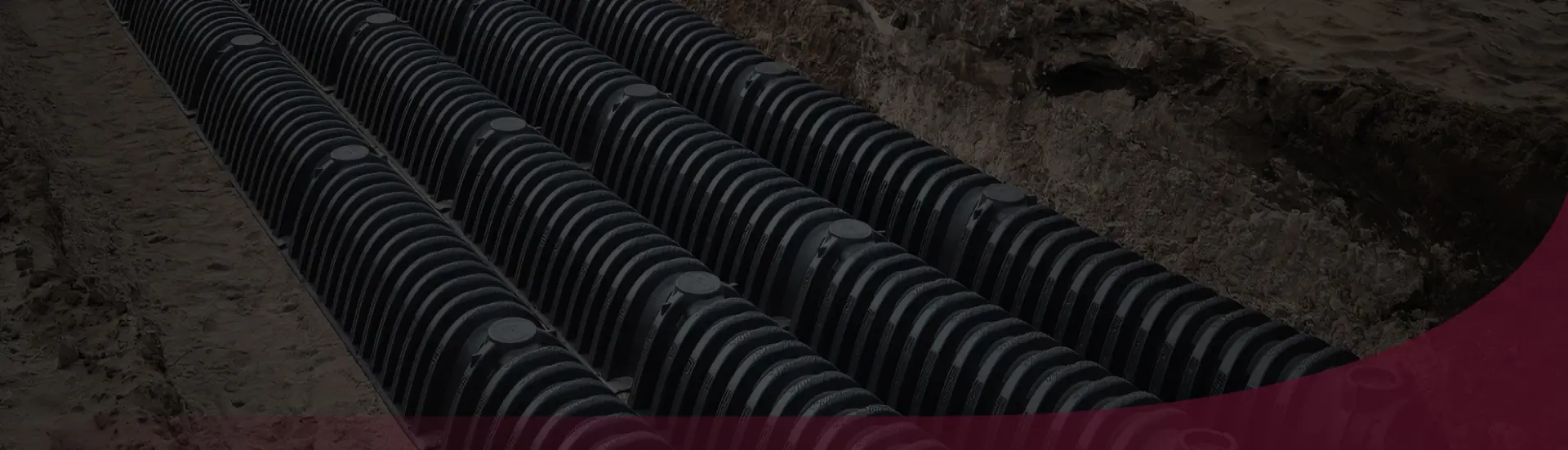
The drain field, also called the leach field, is the part of the system that pays the price. It is a network of perforated pipes in the ground where clarified water, called the septic tank effluent layer, slowly soaks into the soil. When too much grease or fine food waste reaches those pipes, it clogs the tiny soil pores that do the filtering. Repairing or replacing a drain field in Central Florida usually costs far more than a routine tank pump-out.
Our local soil makes holiday mistakes matter even more. Central Florida’s sandy soil percolates wastewater rapidly, which means any fats, oils, and grease (often called FOG) or food solids that overflow the tank can reach the drain field faster than in clay or loamy areas. Add our seasonal high water table, and your drain field already has less buffer space. That is why five common holiday cooking habits, which look harmless in the moment, quietly hurt your septic system.
Habit 1: Pouring Grease and Pan Drippings Down the Drain
Turkey drippings, ham fat, gravy, melted butter, and frying oil are all part of holiday cooking. In the rush to clean up, it is tempting to run hot water, add dish soap, and wash the grease right down the kitchen sink. On the surface, it looks like the grease disappears. In your septic system, it does the opposite.
Inside the tank, grease does not mix with water. It floats to the top and forms a layer of FOG above the liquid effluent. Over time, that layer gets thicker. When it gets too thick, incoming water stirs it up and pushes grease out of the tank and into the drain field pipes. Once that grease hits the cooler environment underground, it stiffens and coats the inside of the pipes and the surrounding soil, blocking the pores that are supposed to let water filter through.
Hot water and dish soap don’t fix the problem, they just move it. The heat keeps grease liquid a little longer and the soap breaks it into tiny droplets, so instead of sticking to your sink trap, it travels farther down the line. Those droplets eventually cool and re-solidify in your pipes, tank, or drain field where they are much harder to remove.
Safer ways to handle holiday grease:
- Cool and contain: Let drippings cool and solidify in the pan or a disposable container, then scrape them into the trash.
- Wipe before washing: Use paper towels to wipe grease from pans, plates, and roasting trays before you put them in the sink or dishwasher.
- Collect used oil: Pour cooled frying oil into a sealable container and throw it away with household trash.
Habit 2: Running the Garbage Disposal Through Multi-Day Cooking
Garbage disposals and septic systems are not a great match, and holiday cooking exaggerates the problem. Every time you flip that switch, you are grinding food into fine particles and sending them into the tank. The assumption is that if it is ground small enough, it will just break down. In reality, a lot of those particles behave differently than normal waste.
In a healthy septic tank, heavier solids settle to the bottom, forming sludge, and lighter materials float. The clearer effluent in the middle moves out to the drain field. Disposal-ground food includes a large amount of fine material that is light enough to stay suspended in the effluent layer instead of settling. That suspended material moves out of the tank and into the drain field, where it clogs soil pores and shortens the life of the field.
Holiday foods add a second problem: starchy and fibrous waste. Potato peels, rice, pasta, stuffing scraps, and even some vegetable fibers absorb water and swell inside pipes and the tank. The disposal blades may chop them, but they can still clump, absorb more water, and contribute to blockages and faster sludge buildup.
If you rely on a garbage disposal while you are on a septic system, you are typically looking at a shorter septic tank pumping interval, sometimes every year instead of every three to five years. When you run the disposal heavily for several days of holiday prep, you accelerate that timeline even more.
Better disposal habits during the holidays:
- Use the trash can first: Scrape plates, pans, and cutting boards into the trash before they go near the sink.
- Limit the disposal: Use it only for small, soft leftovers that slip through, not as the main way to get rid of food waste.
- Keep starches out: Throw potato peels, rice, pasta, and bread scraps in the trash or compost, not in the disposal.
Habit 3: Overloading the Dishwasher on a Tight Schedule
It is normal to feel like the dishwasher has to run non-stop when you are hosting. The problem for your septic tank is not that you use the dishwasher, it is when and how often you run it. Every cycle sends a surge of water and detergent into your system in a short burst, which affects how well the tank can do its job.
Your tank needs time for solids to settle to the bottom and for lighter materials to float before the effluent exits toward the drain field. When you run the dishwasher back-to-back during the same hours that everyone is showering and using the bathrooms, you create a hydraulic overload. That is a fancy way of saying too much water moves through the tank too quickly. With less settling time, more suspended solids and FOG leave the tank and end up in the drain field.
Dishwasher detergents also contain surfactants, which are chemicals that help lift grease and food from dishes. In normal household amounts, they are not a problem. In heavy holiday-use amounts, especially combined with antibacterial products, they can contribute to upsetting the balance of beneficial bacteria that break down waste in the tank.
How to run the dishwasher without overloading your septic system:
- Stagger the cycles: Run the dishwasher after peak bathroom use or late at night, not during the busiest times of day.
- Scrape instead of pre-rinsing: Scrape food into the trash so you can run normal cycles instead of extra heavy ones.
- Avoid marathon runs: Try not to run multiple cycles back-to-back; give the tank some recovery time between loads.
Habit 4: Rinsing Food Scraps and Coffee Grounds Into the Sink
It is easy to think, “It is just a few scraps, the system can handle it.” The problem is that holiday cooking means “just a few scraps” again and again for days. Some of the most common kitchen sink items are also some of the worst for your septic tank.
Coffee grounds, eggshells, potato peels, rice, celery fibers, and similar foods do not break down in the tank the way toilet waste or soft organic matter does. Many of them are dense, gritty, or fibrous. They settle into the sludge layer and build it up faster, which fills the tank sooner than expected. Others are light enough to float or stay suspended in the effluent, where they can travel out to the drain field.
Once food scraps reach the drain field, they act like tiny plugs in the sandy soil around the pipes. Central Florida sandy soil already lets water move faster than ideal, so the drain field depends on open pores to filter and treat wastewater. When those pores fill with fine food particles, the field loses capacity, and you may start to see wet spots, odors, or backups.
Simple scrap-handling habits that protect your system:
- Dry scrape first: Keep a “scrap bowl” or small trash can by the sink so everyone remembers to scrape plates and pans before rinsing.
- Strain the sink: Use a sink strainer to catch any stray bits and empty it into the trash regularly.
- Keep grounds out of the drain: Throw coffee grounds and tea leaves in the trash or compost, never into the sink.
Habit 5: Using Antibacterial Soaps and Heavy Cleaners During Holiday Cleanup
A septic tank is basically a living system. It relies on colonies of anaerobic bacteria, which are bacteria that work without oxygen, to break down solids and keep sludge from building up too quickly. When those beneficial bacteria are healthy and active, your system runs smoothly. When they are knocked back, waste breaks down more slowly and solids can start to accumulate.
Holiday hosting often means “deep cleaning mode.” It is common to see lots of antibacterial dish soap, bleach-based sprays, disinfectant wipes, and sometimes even chemical drain cleaners all used in a short time. Every one of those products that goes down the drain works against the bacteria your tank needs.
A small amount of these cleaners here and there is usually fine. The trouble comes when you send large volumes down the drains over a few days. That surge can kill off enough bacteria to slow decomposition in the tank. When that happens, sludge builds up more quickly, and materials that should have been broken down stay intact and are more likely to reach the drain field.
Cleaner choices that are kinder to septic bacteria:
- Use septic-safe dish soaps: Choose mild or septic-safe dish soaps and use only the amount you need.
- Skip “extra strength” when possible: Save the harshest cleaners and chemical drain products for true emergencies, not routine cleanup.
- Spread out heavy cleaning: If you need to use bleach or strong disinfectants, try to space those tasks out over several days instead of all at once.
What to Do Before the Holidays If You’re Not Sure When Your Tank Was Last Pumped
If you cannot remember your last septic tank pumping, or if it has been longer than your usual three-to-five-year schedule, heading into the holidays with a near-full tank is a real risk. A full or nearly full tank has almost no buffer to absorb the extra FOG, food particles, and water that come with holiday cooking and guests.
When the sludge and FOG layers are already high, any additional load is more likely to overflow into the outlet and move toward the drain field. That is how a few days of heavy use can turn into chronic drain field problems. A pre-holiday pump-out removes accumulated solids and grease from the tank so there is more capacity and settling space for the season’s extra use.
Some warning signs that a pump-out is overdue include slow drains throughout the house, gurgling sounds from toilets or sinks after use, and sewage or “rotten egg” odors near indoor drains or outside around the drain field area. Wet spots or unusually lush grass over the drain field can also point to trouble.
For homeowners in Sanford and across Central Florida, getting on the schedule with Scorpion Legacy before the holidays is usually much easier and less expensive than dealing with an emergency backup in the middle of a family gathering. A clean tank, paired with a few simple habit changes in the kitchen, gives your system the best chance to handle the season without a hiccup.
Small Kitchen Swaps That Protect a Big Investment
None of these changes require specialty products or complicated routines. Letting grease cool and tossing it in the trash, scraping plates before rinsing, easing up on the garbage disposal, spacing out dishwasher runs, and going lighter on harsh cleaners are all small adjustments. Together, they can add years of life to your drain field and help your septic system ride out the holidays without a problem.
If you are looking around your busy kitchen and wondering whether your tank is ready for the season, we are happy to help you figure that out. You can always reach the team at Scorpion Legacy at ">(555) 555-5555
to talk through your system, schedule a pumping, or ask questions so you can head into the holidays with a little more confidence and a lot less septic stress.