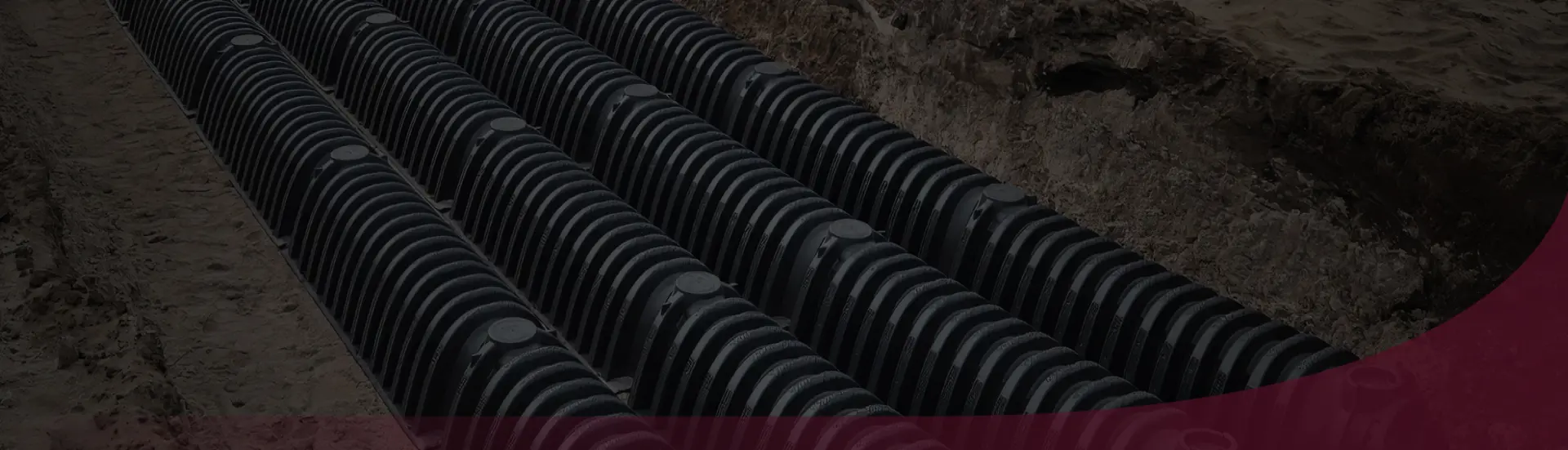
Septic systems are designed to safely treat wastewater from your home, but they rely on a delicate balance of bacteria and proper drainage to function efficiently. Everyday household habits, such as pouring grease down the drain or using harsh chemicals, can disrupt this balance and lead to costly problems. Understanding how these substances affect your septic system is key to maintaining a healthy and long-lasting system.
How a Septic System Works
A typical septic system consists of a septic tank and a drain field. Wastewater from toilets, sinks, showers, and appliances flows into the septic tank, where solids settle at the bottom, oils float to the top, and the remaining liquid flows into the drain field for natural filtration through the soil. Beneficial bacteria in the tank play a critical role in breaking down waste and keeping the system functioning properly.
When the balance of bacteria is disrupted, solids may not break down efficiently, leading to clogs, backups, or damage to the drain field.
The Impact of Grease on Septic Systems
Grease, fats, and oils may seem harmless when poured down the drain, but they can solidify inside pipes and the septic tank. Over time, this buildup can create blockages, reduce the tank’s capacity, and prevent wastewater from flowing properly to the drain field.
Common signs that grease is affecting your system include:
Slow-draining sinks and toilets
Foul odors near drains or the septic tank
Excessive sludge accumulation in the tank
To protect your system, never pour cooking grease or oil down the drain. Instead, collect it in a container and dispose of it in the trash once it has cooled.
How Household Chemicals Affect Septic Systems
Many household cleaning products, including bleach, drain cleaners, and harsh solvents, can harm the bacteria in your septic tank. Without these bacteria, waste cannot break down effectively, and your system may become overwhelmed.
Frequent use of chemical-heavy products can lead to:
Reduced septic tank efficiency
Increased risk of clogs and backups
Shortened lifespan of your septic system
To minimize risk, choose septic-safe cleaning products when possible and use harsh chemicals sparingly. Simple alternatives like vinegar, baking soda, and mild detergents are safer for both your system and the environment.
Tips for Maintaining a Healthy Septic System
Proper care and mindful usage of household substances can help prevent septic problems:
Dispose of grease and oils properly – never pour them down the drain.
Limit chemical use – avoid frequent use of bleach, strong solvents, and antibacterial cleaners.
Be cautious with wipes and non-biodegradable items – these can also disrupt bacteria and clog pipes.
Schedule regular inspections and pumping – professional maintenance ensures your system remains balanced and functional.
Protect Your Home with Professional Septic Care
Neglecting how grease and chemicals affect your septic system can lead to costly repairs and environmental hazards. Proper septic maintenance is essential for long-term performance and household safety.
If you want to ensure your septic system is working efficiently and avoid preventable problems, contact the experts at Acme Environmental. Our team provides professional inspections, maintenance, and guidance to help homeowners protect their septic systems.
Call Acme Environmental today at (321) 468-9769 to schedule a service or learn more about keeping your septic system healthy and reliable.