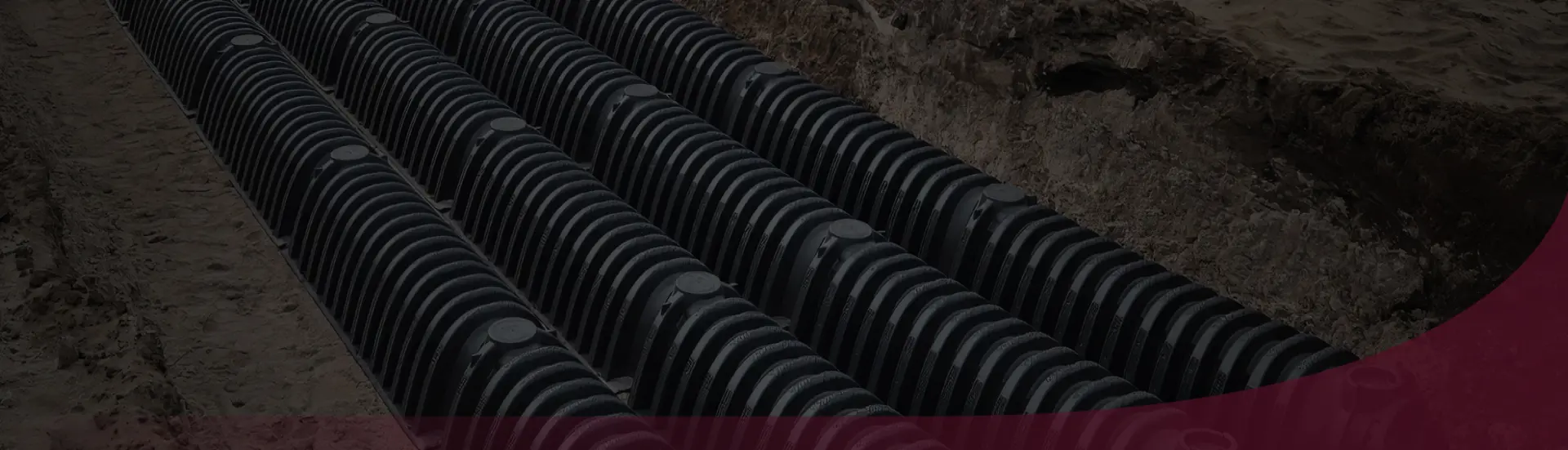
A septic system plays a crucial role in safely managing wastewater for homes that are not connected to a municipal sewer system. While septic systems are designed to be durable and reliable, they require proper care and responsible usage to function efficiently. Understanding a few important do’s and don’ts can help homeowners avoid costly repairs and keep their systems working properly for years to come.
How a Septic System Works
Before discussing proper care, it’s helpful to understand the basics of how a septic system operates. Wastewater from sinks, toilets, showers, and appliances flows into the septic tank, where solids settle at the bottom and oils float to the top. The remaining liquid moves into the drain field, where it filters through the soil and is naturally treated.
Because the system relies on beneficial bacteria and proper drainage to function, what goes down your drains and how the system is maintained can significantly impact its performance.
Septic System Do’s
Following good septic habits helps protect your system and ensures it continues to operate efficiently.
Schedule Regular Septic Pumping
Routine septic tank pumping is one of the most important parts of septic system maintenance. Over time, solids accumulate in the tank and must be removed to prevent blockages or system failure. Regular maintenance helps extend the life of your system.
Conserve Water When Possible
Excessive water usage can overwhelm your septic system. Spacing out activities like laundry, dishwashing, and long showers helps prevent unnecessary strain on the tank and drain field.
Protect Your Drain Field
The drain field is a critical component of the septic system. Keep the area clear of heavy vehicles, large structures, or deep-rooted plants that could damage underground pipes or compact the soil.
Be Mindful of What Goes Down the Drain
Only human waste and toilet paper should be flushed. Using septic-safe products and avoiding unnecessary additives helps maintain the natural balance of bacteria in the system.
Septic System Don’ts
Just as important as good habits are the things homeowners should avoid when caring for their septic system.
Don’t Pour Grease or Oils Down the Drain
Cooking grease and oils can harden and accumulate inside the septic tank and pipes. This buildup can lead to clogs and interfere with the system’s natural processes.
Don’t Flush Non-Biodegradable Items
Items like wipes, paper towels, feminine hygiene products, and other non-biodegradable materials can cause blockages and reduce the system’s efficiency.
Don’t Use Harsh Chemicals Excessively
Household chemicals such as bleach, solvents, and strong cleaners can disrupt the beneficial bacteria that help break down waste inside the septic tank. Using these products sparingly can help maintain system balance.
Don’t Ignore Warning Signs
Slow drains, unpleasant odors, or wet areas near the drain field may indicate a septic issue. Addressing these warning signs early can help prevent more serious problems.
The Importance of Septic System Maintenance
A well-maintained septic system can last for many years, but neglecting proper care may lead to backups, environmental concerns, and costly repairs. By following these simple do's and don’ts, homeowners can help ensure their septic system continues operating safely and efficiently.
Regular inspections and professional maintenance are key to catching small issues before they become major problems.
Contact Acme Environmental for Professional Septic Services
If you have questions about septic system maintenance or need professional assistance, the team at Acme Environmental is here to help. With experience and reliable service, we help homeowners keep their septic systems functioning properly year-round.
Contact Acme Environmental today at (321) 468-9769 to schedule a septic inspection or learn more about protecting your home’s septic system.