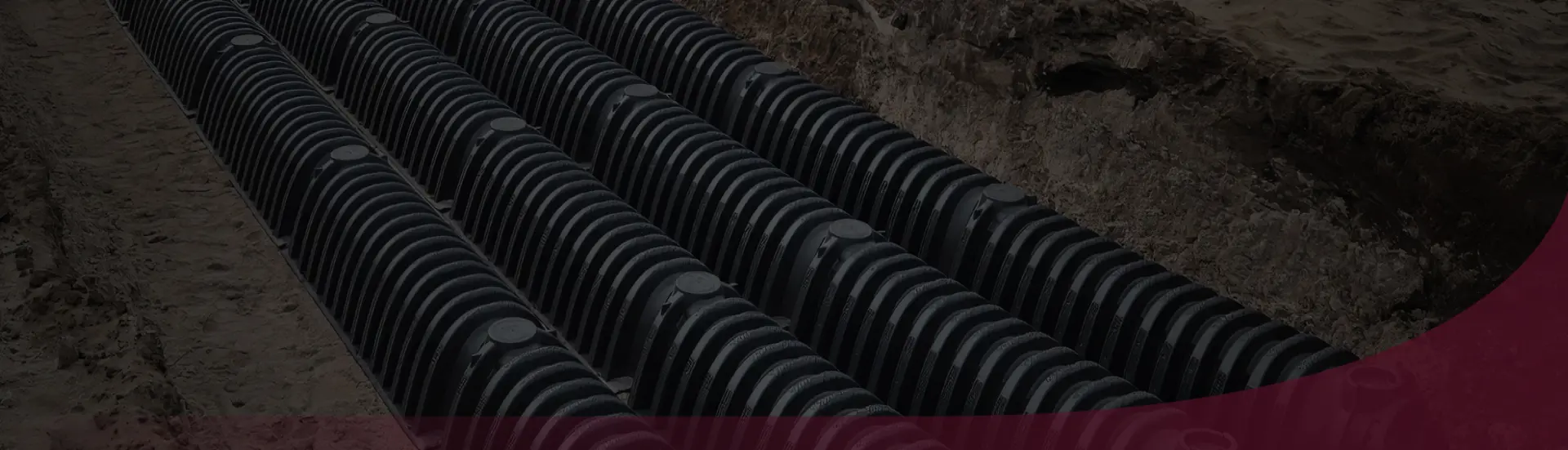
For Florida homeowners with septic systems, regular maintenance is essential for keeping everything working properly. One of the most important parts of septic system care is routine septic tank pumping. Unfortunately, many homeowners wait until there is a problem before scheduling service, which can lead to expensive repairs, unpleasant odors, and messy backups.
Understanding how often your septic tank should be pumped can help extend the life of your system and prevent avoidable issues.
How a Septic Tank Works
A septic system is designed to collect and separate household wastewater. Inside the tank, solid waste settles at the bottom while oils and grease float to the top. The remaining liquid wastewater flows into the drain field for further treatment.
Over time, the solid waste layer continues to build up inside the tank. If the tank is not pumped regularly, excess solids can overflow into the drain field, potentially causing major system damage and costly repairs.
Routine pumping removes the accumulated sludge and helps the system continue operating efficiently.
How Often Should You Pump Your Septic Tank?
In general, most Florida homeowners should have their septic tank pumped every three to five years. However, there is no one-size-fits-all schedule because several factors can affect how quickly the tank fills.
The size of your household plays a major role. Homes with more occupants typically use more water, which means the septic system handles a larger volume of waste. Tank size also matters, as smaller tanks usually require more frequent pumping.
Lifestyle habits can also impact pumping frequency. Excessive water use, frequent laundry loads, food waste disposal through garbage disposals, and flushing non-biodegradable items can all place additional strain on the system.
Florida’s climate and soil conditions may also affect septic system performance, making regular inspections and maintenance especially important.
Signs Your Septic Tank May Need Pumping
Even if you are following a maintenance schedule, it is important to watch for warning signs that your tank may be reaching capacity.
Some common signs include:
- Slow draining sinks and tubs
- Gurgling sounds in plumbing fixtures
- Sewage odors near drains or outdoors
- Standing water around the drain field
- Toilets backing up or draining slowly
- Unusually green or lush grass above the septic area
Ignoring these warning signs can lead to severe septic system problems that are much more expensive to repair than routine pumping.
Tips for Extending the Life of Your Septic System
Regular pumping is only one part of proper septic system care. Homeowners can also help protect their systems by reducing water waste, avoiding harsh chemicals, and being mindful of what goes down drains and toilets.
Items like wipes, grease, feminine hygiene products, and paper towels should never be flushed because they can contribute to clogs and system strain.
Scheduling routine inspections can also help identify small problems before they become major issues.
Contact Acme Environmental for Professional Septic Services
If it has been several years since your last septic tank pumping or you are noticing signs of septic trouble, the team at Acme Environmental is here to help. We provide reliable septic pumping and maintenance services designed to keep your system operating efficiently. Contact Acme Environmental today at (321) 468-9769 to schedule professional septic service and protect your Florida home.