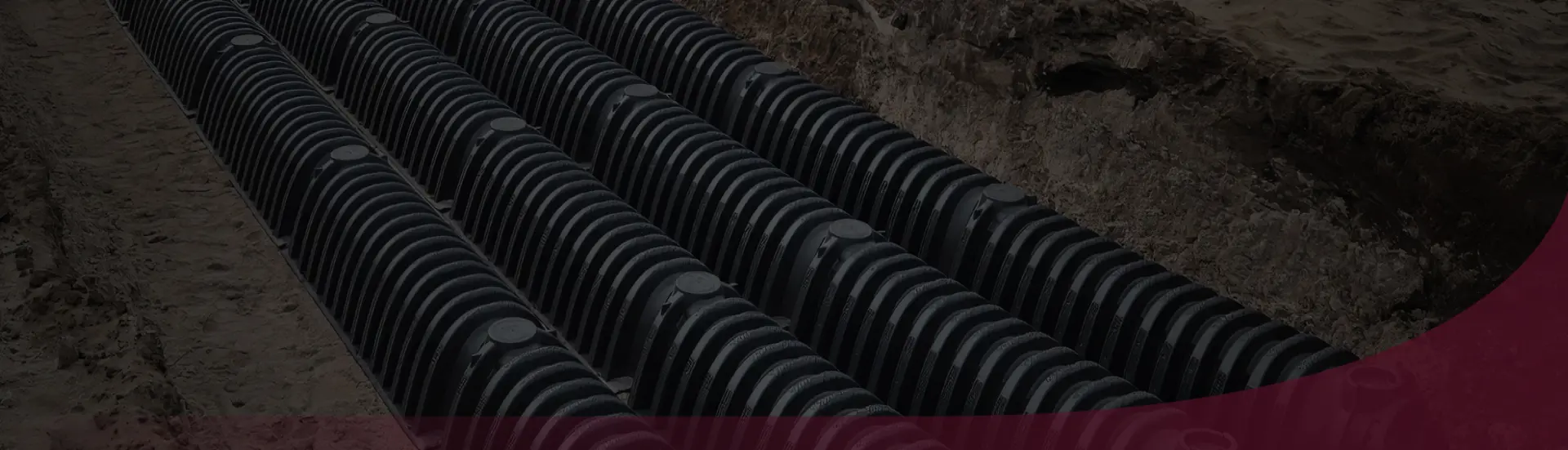
Most homeowners come into this conversation expecting a menu. Conventional, aerobic, mound, pick your preference. The honest answer is that Florida’s soil, water table, and local environmental regulations do most of the choosing for you. Your lot tells us what’s possible, and then we work within those options together.
We’ve been installing and servicing septic systems in Sanford and across Central Florida since 1989. That’s more than 35 years of working with Seminole County’s sandy soils, seasonal water table swings, and the permit requirements that come with operating near the Wekiva basin. A homeowner who understands how the system selection process actually works ends up with a much better outcome, and is a lot easier to serve.
Here’s a plain-language rundown of the Florida septic system types you’re likely to encounter, what drives eligibility for each, and what Sanford-area homeowners specifically need to know before calling anyone for a quote.
Florida Doesn’t Let You Pick Your System Off a Menu
Before any system type is considered, a licensed site evaluation assesses your property. That evaluation looks at soil type, percolation rate (how quickly water moves through the soil), seasonal high water table (SHWT) depth, lot size, and setback distances from wells, property lines, and water bodies. The results determine which systems qualify. You choose within that approved set, not before it.
All onsite sewage treatment and disposal systems (OSTDS is the Florida term for any permitted septic system) are governed statewide by Florida Statute 381.0065. In Seminole County, DOH-Seminole issues both construction permits and operating permits for every OSTDS installation or replacement. We handle the permitting process on behalf of our customers, so you don’t have to navigate that paperwork on your own.
Conventional Systems: The Baseline When Conditions Allow
A conventional gravity system is the simplest and most affordable option when site conditions support it. Effluent flows from the tank by gravity into a drain field, where it percolates through soil and naturally filters before reaching groundwater. For this to work, Florida requires that the soil perc within an acceptable range and that the seasonal high water table sits at least 24 inches below the bottom of the drain field year-round.
Those conditions exist in parts of Sanford, but not everywhere. Properties near Lake Monroe and the St. Johns River frequently see elevated water tables during the rainy season, which can push the SHWT too close to the surface for a conventional system to qualify. Installed cost typically runs between $5,000 and $10,000, and ongoing maintenance is straightforward: pump the tank every three to five years, and no operating permit is required.
ATUs: The Go-To for Small Lots & Challenging Sites
An aerobic treatment unit, or ATU, works differently from a conventional system. Instead of relying on the oxygen-limited breakdown that happens in a standard septic tank, an ATU injects air into the treatment chamber to support aerobic bacteria. Those bacteria are significantly more efficient, producing effluent that’s much cleaner than conventional output. That cleaner effluent allows a smaller drain field footprint (typically a 30 to 50 percent reduction in required size), which is why ATUs are the default choice on suburban lots where space is tight. They also meet the quality threshold required in Florida’s environmentally sensitive zones.
ATU ownership comes with an ongoing compliance obligation that conventional systems don’t carry. DOH-Seminole requires an operating permit for every ATU, plus a mandatory maintenance contract with a state-certified provider. That provider must inspect the system at least twice per year and submit inspection reports directly to DOH-Seminole. If you’re buying a home with an existing ATU, confirm the operating permit is current and the maintenance contract is active before closing.
We handle ATU installation for homeowners and contractors throughout the Sanford area and can walk you through what that ongoing compliance looks like in practice.
Mound Systems: When the Water Table Wins
When the seasonal high water table or a restrictive soil layer is too shallow for any in-ground disposal system, a mound system elevates the drain field above natural grade using engineered fill. Effluent is pumped up into the mound, where it percolates through imported sand before reaching native soil. It’s an effective solution for sites that would otherwise be ineligible for any septic installation.
The tradeoff is physical scale. A residential mound can rise four to six feet above grade and extend 40 feet or more in length. On a smaller suburban lot, that footprint is hard to miss and can run into HOA restrictions, which is one reason many Sanford-area homeowners who technically qualify for a mound end up choosing an ATU when both options are available. Installed cost ranges from roughly $10,000 to $25,000, with a typical lifespan of 20 to 30 years.
The Wekiva & Gemini Springs Zones: What Sanford Homeowners Need to Check
This is where Sanford and the surrounding Seminole County area carries a layer of regulation that generic Florida guides don’t cover. Parts of Seminole County fall within the Wekiva/Rock Springs Priority Focus Area (PFA) and the Gemini Springs Basin Management Action Plan (BMAP), which are state-designated zones aimed at reducing nitrogen loading into spring systems that feed the St. Johns River.
On lots under one acre within these zones, a new conventional OSTDS isn’t permitted. Any new installation must be an enhanced nutrient-reducing OSTDS (ENR-OSTDS) that achieves at least 65 percent nitrogen reduction. Standard ATUs don’t automatically meet that threshold; the system needs to be specifically designed and rated for enhanced nitrogen reduction. A repair or replacement within a BMAP zone can trigger the ENR requirement as well, so if your parcel falls inside one of these zones and your system needs significant work, the cost and system type can look very different from what you anticipated.
Seminole County offers an address lookup tool on its website where you can check whether your parcel falls within the Wekiwa Springs PFA or Gemini Springs BMAP area before any permit application is submitted. It takes about two minutes and can save a lot of confusion later in the process.
Choosing the System That Actually Fits Your Property
The right system isn’t the one with the lowest sticker price; it’s the one the site evaluation points to. A conventional system that gets denied at the permit stage or an undersized ATU that fails inspection costs far more than doing it correctly the first time. Soil conditions, water table depth, lot size, and BMAP zone status all have to line up before a system type makes sense for a specific address.
We’ve been matching Sanford-area homeowners to the system their property actually qualifies for since 1989. If you’re replacing a failing system, building new, or just trying to understand what you’re working with, Acme Environmental is glad to talk it through. Give us a call at (321) 468-9769 and we’ll start with an honest conversation about what your site is likely to support.